Why Picking the Best General Contractor Is Crucial for Your Project
Choosing the right construction professional is a pivotal decision that can significantly influence a project's success. A qualified contractor ensures effective management and adherence to budgets. Their capacity to navigate challenges and preserve clear communication is essential. However, many construction stakeholders overlook important elements in this hiring process. Understanding these components can lead to improved outcomes and greater satisfaction. What should one evaluate when determining this important decision?
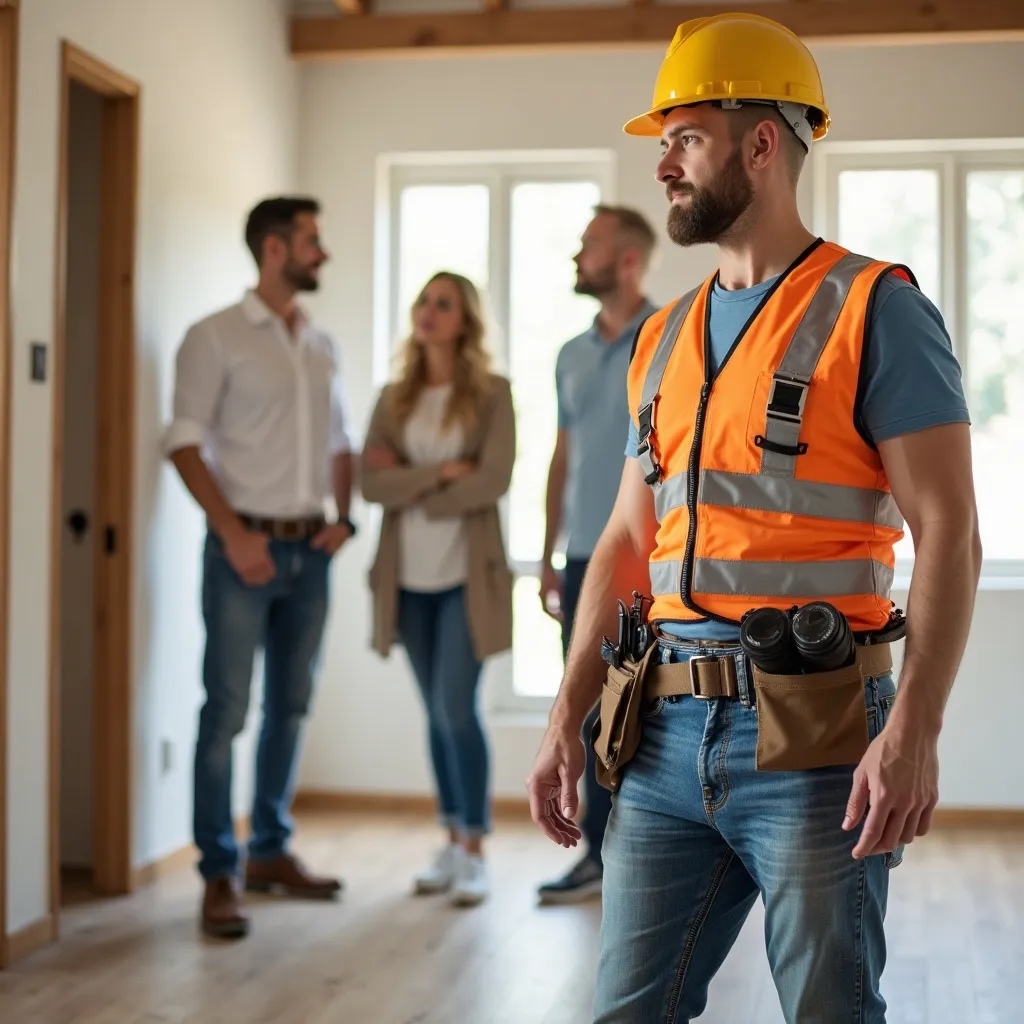
Common Difficulties in Choosing a General Project Manager
When choosing a general contractor, potential clients often encounter numerous typical challenges that can hinder the decision-making process. One significant hurdle is the overwhelming number of options available, which can result in uncertainty and hesitation. Customers may find it hard to distinguish among contractors based on qualifications, experience, and pricing, making it difficult to determine who will best meet their project needs.
A further challenge is the limited disclosure in contractor bids, where hidden costs may come to light, affecting the project allocation. Likewise, clients may experience issues pertaining to communication; some contractors may fail to keep clients informed throughout the timeline, leading to frustration. In the end, clients often wrestle with substantiating a contractor's endorsements and historical work, which can provoke uncertainty about the quality of service to be delivered. These challenges call for deliberate planning and research to confirm the optimal choice is undertaken.
Necessity of a Responsible Construction Expert
A reliable general contractor plays an essential role in ensuring project management efficiency and maintaining quality standards. Their knowledge helps optimize processes, reducing delays and costs. Additionally, a trustworthy contractor upholds high standards, resulting in quality workmanship and customer contentment.
Enhance Task Management Efficiency
Successful project execution is dependent on the reliability of a general contractor. A trustworthy contractor promises that deadlines are met, resources are efficiently allocated, and communication runs smoothly among all stakeholders. Their ability to manage subcontractors, suppliers, and laborers has a direct influence on the advancement and ultimate success of the project. A reliable contractor predicts challenges, applies solutions quickly, and stays focused on goals, minimizing setbacks and budget excesses. This efficiency creates a collaborative atmosphere, enabling adjustments and improvements as needed. Ultimately, the general contractor's trustworthiness enhances both project operations and trust among clients and team members, guaranteeing all stakeholders stay coordinated towards a successful conclusion.
Quality Assurance Measures
Dependable builders play a key role in ensuring quality assurance standards during the entire project. They make sure that every task complies with established guidelines and industry best practices, which is crucial to the durability and safety of the structure. A competent contractor holds strict oversight over materials and workmanship, conducting regular inspections to detect and correct problems quickly. This proactive approach reduces risks linked to inferior construction, in turn protecting the investment. Furthermore, a reliable contractor encourages communication among all stakeholders, ensuring clear and fulfilled expectations. By focusing on quality assurance, a skilled general contractor not only enhances the end product but also gains trust with clients, establishing the base for successful project results.
Assessing a Contractor's Experience and Reputation
When assessing a general contractor, understanding their experience and reputation is crucial, as these elements greatly influence project results. A contractor's expertise generally demonstrates their ability to handle different kinds of projects, intricacies, and hurdles. Examining their collection of work provides insight into past projects, showcasing skill and careful attention to detail.
In addition, reputation functions as a vital role in creating trust. Prospective clients should seek online reviews, recommendations, and references to assess satisfaction levels from previous clients. Connecting with past customers can reveal the contractor's reliability, communication skills, and sticking to timelines and budgets.
Furthermore, sector associations and certifications can enhance a contractor's standing, suggesting a commitment to quality and ethical practices. By thoroughly evaluating both experience and reputation, clients can make informed decisions, ultimately setting the stage for a victorious construction project.
Essential Qualities of a Dependable Contractor
A dependable contractor regularly demonstrates honesty, openness, and excellent communication skills. These essential qualities create the foundation of a prosperous professional partnership. Integrity ensures the contractor conforms to moral standards, providing honest assessments and realistic schedules. Transparency involves fully disclosing project details, encompassing costs and possible obstacles, building confidence between the contractor and the customer.
Powerful interpersonal skills enable the contractor to express ideas effectively, listen to client requirements, and address any issues that arise during the project. Additionally, a reliable contractor demonstrates adaptability, responding to changes and unforeseen circumstances with composure and resilience. Attention to detail is yet another crucial trait; it reflects a commitment to quality and accuracy in every component of see here the work. In essence, these qualities not only strengthen project outcomes but also enrich a positive experience for clients, making the appointment of a trustworthy contractor all the more critical.
Important Queries for Bringing On Your General Contractor?
How can one ensure they select the right general contractor for their project? By posing a series of targeted questions, potential clients can better evaluate candidates. Initially, inquiring about the contractor's experience with comparable work offers insight into their expertise. It's also vital to ask for references; speaking with previous clients can uncover the contractor's reliability and work quality.
Subsequently, evaluating licensing and insurance guarantees that the contractor complies with legal standards and protects the client from unforeseen liabilities. Clients ought to also request information about timelines and project management strategies to evaluate how the contractor will manage the project efficiently.
Budget meetings are vital; asking for a thorough estimate helps avoid surprise costs later. Finally, understanding the contractor's communication style preferences can lay the groundwork for a successful partnership. By tackling these key questions, clients can choose wisely in selecting their general contractor.
Why Dialogue Is Important With Your Contractor
Effective engagement with a contractor is vital for project success. Creating transparent goals and providing regular updates can prevent miscommunications that often lead to costly setbacks. Additionally, cultivating an open conversation builds rapport, ensuring a better working relationship throughout the construction process.
Defined Criteria Promote Achievement
Setting clear expectations is necessary for a successful partnership with a general contractor. Transparent communication builds the foundation for understanding the project's goals, deadlines, and budget limits. When both sides voice their needs and concerns, it reduces the chance of misunderstandings that could stop progress. A contractor who grasps the exact requirements can deploy resources effectively and tackle potential problems proactively. Furthermore, having clear expectations promotes accountability, making sure that the contractor fulfills promises and that the homeowner stays engaged in the process. Prioritizing open communication from the start allows clients to enhance collaboration and satisfaction, ultimately resulting in a smoother project delivery. Clear expectations optimize processes but also cultivate trust between the homeowner and the contractor.
Well-timed Notifications Avoid Misunderstandings
Setting clear expectations creates the groundwork for successful collaboration, yet frequent communication is critically important. Regular updates from a project manager can eliminate confusion that could happen throughout a project. When construction firms regularly communicate progress information, clients stay informed of schedules, cost modifications, and conceivable obstacles. Such anticipatory engagement functions to harmonize both sides' objectives and minimizes the risk of disputes in the future. Moreover, when challenges surface, rapid notification permits quicker fixes, keeping the work moving forward. Through developing a culture of honest dialogue, builders demonstrate their dedication to the project's success, ultimately producing a smoother operation and higher client happiness. Thus, prompt updates serve as a vital element in maintaining clarity and confidence during the construction process.
Honest Dialogue Produces Trust
As a endeavor unfolds, maintaining an honest conversation with the general contractor becomes crucial for encouraging belief and collaboration. Effective communication guarantees that all parties have a clear understanding of expectations, timelines, and potential roadblocks. When trade professionals and clients engage in regular discussions, it allows for the identification of issues before they grow worse, minimizing disruptions. This transparency not only builds certainty but also optimizes the overall building experience. Additionally, an open line of communication welcomes feedback, equipping the construction leader to make corrections that align with the client's vision. In conclusion, effective interaction grounds a structure of shared esteem, which is essential for the achievement of any construction endeavor. Confidence fostered through dialogue leads to better outcomes for everyone involved.
Frequently Requested Questions
What procedures should I follow to validate if a Contractor has a current License?
To verify if a contractor is licensed, one should consult local licensing boards or websites, authenticate their license number, and ensure it's active. Additionally, reading web-based testimonials can deliver perspective on their reputation and consistency.
What Insurance Does My Contractor Require?
A contractor is required to maintain general liability insurance, occupational injury insurance, and, if pertinent, professional liability insurance. These address potential damages, employee injuries, and errors in workmanship, ensuring financial protection for both the tradesperson and the client.
How Can I Verify a Builder's References?
To validate a contractor's references, one should request a list of former clients, reach out to them directly, and learn about their impressions. Additionally, studying digital reviews and rankings can furnish valuable insights into the contractor's reliability.
What Should I Take if Difficulties Present Themselves During the Project?
If issues arise during the project, one should document the problems, communicate directly with the contractor, and seek a resolution. If required, bringing in a mediator or seeking legal advice may also be suitable.
What Red Flags Should You Keep an Eye On During the Hiring Process?
Warning signs in the recruitment phase consist of vague estimates, lack of references, inadequate responsiveness, incomplete licenses, and negative online reviews. These indicators suggest potential issues that could impact the quality and schedule of the project.